
Get Backflow Testing Service
Backflow testing services help property owners ensure water safety by detecting and preventing contamination risks in irrigation, fire protection, and plumbing systems through professional inspections.
Backflow testing services are an essential part of maintaining a safe and reliable water supply for property owners. Ensuring that backflow prevention devices are functioning properly helps prevent contaminated water from flowing back into the main supply, protecting health and water quality. Whether you're preparing for a routine inspection or addressing specific concerns, understanding the options available from local contractors can help you plan effectively and meet any regulatory requirements.
Property owners in the area often explore backflow testing to ensure compliance, avoid potential water contamination issues, and maintain the integrity of their plumbing systems. Comparing local service providers can provide clarity on the range of solutions available and support informed decision-making. Keep reading to discover how qualified local contractors can assist with your backflow testing needs.
- Residential property owners - may need backflow testing to ensure their drinking water remains safe and free from contamination.
- Commercial facilities - require backflow testing to comply with local health and safety regulations.
- Restaurants and food service establishments - should have backflow prevention devices tested regularly to protect public health.
- Industrial sites - might need backflow testing when installing new systems or after plumbing modifications.
- Property managers and landlords - often schedule backflow testing to maintain compliance and protect tenants’ water quality.
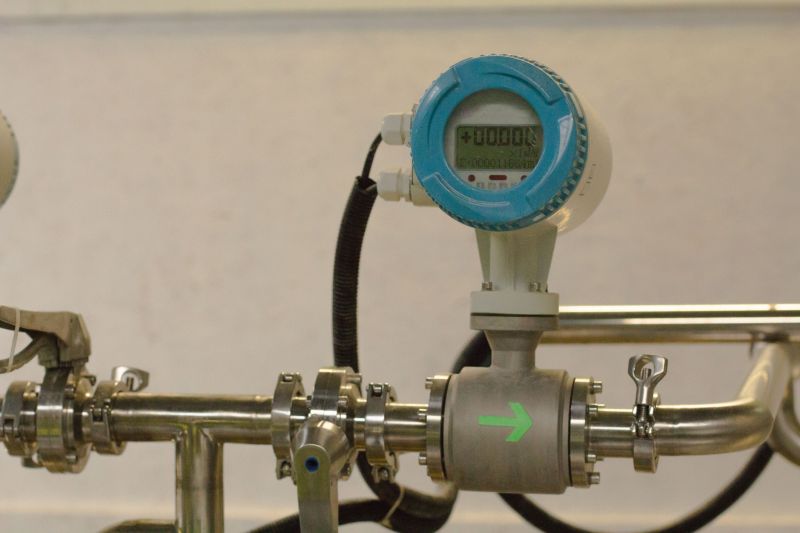
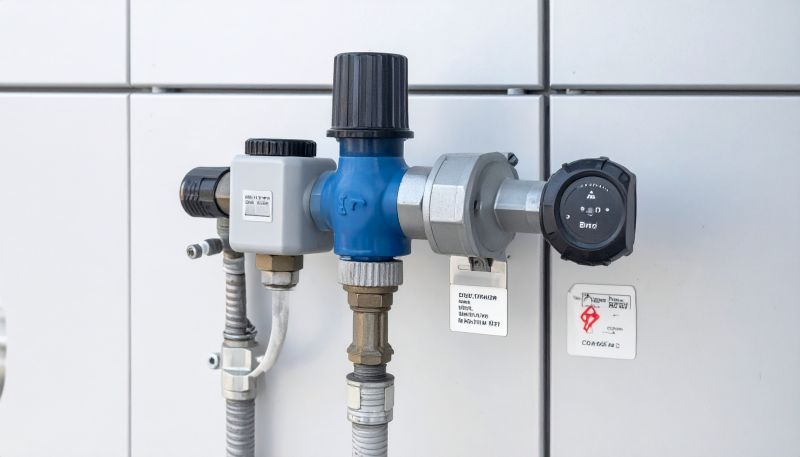
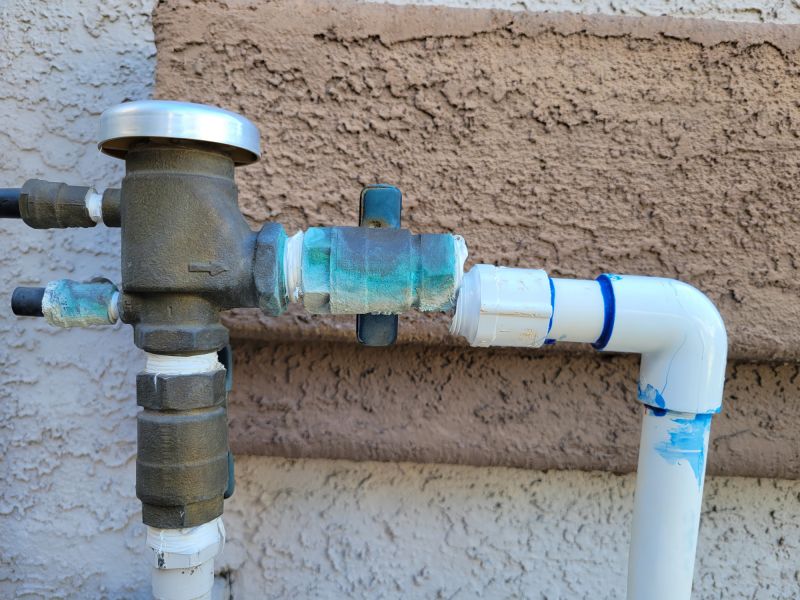
Backflow testing services involve inspecting a property’s plumbing system to ensure that water flows in the correct direction and that there are no cross-connections that could allow contaminated water to enter the clean water supply. This process typically includes evaluating backflow prevention devices, such as check valves and backflow preventers, to verify they are functioning properly. Regular testing helps identify potential issues before they lead to water contamination, safeguarding the health of residents and the integrity of the water system.
These services are essential for identifying and resolving problems caused by faulty backflow prevention devices, such as leaks, blockages, or device malfunctions. When these issues occur, contaminated water can be siphoned back into the clean water supply, posing health risks and violating local health codes. Backflow testing helps prevent these hazards by confirming that prevention devices are working correctly, ensuring that water remains safe for everyday use in the property.
Both residential and commercial properties benefit from backflow testing services. Homeowners with private wells, irrigation systems, or properties connected to municipal water supplies often need regular inspections to maintain water safety. Commercial facilities such as restaurants, grocery stores, and industrial sites also require frequent testing to comply with health regulations and prevent contamination risks. Additionally, properties with fire sprinkler systems or other specialized plumbing setups may be advised to schedule routine backflow device assessments.
Understanding when to schedule backflow testing can help property owners maintain a safe and compliant water system. If a property has recently experienced plumbing work, repairs, or if backflow prevention devices are aging, it may be time for an inspection. Regular testing is also recommended for properties in areas with strict health regulations or those that have experienced past water quality issues. Local service providers can assess individual needs and perform thorough testing to ensure the backflow prevention devices are functioning properly, helping maintain a safe and reliable water supply.
The overview below groups typical Backflow Testing Service projects into broad ranges so you can see how smaller, mid-sized, and larger jobs often compare in your area.
In many markets, a large share of routine jobs stays in the lower and middle ranges, while only a smaller percentage of projects moves into the highest bands when the work is more complex or site conditions are harder than average.
Smaller Repairs - Basic backflow testing typically costs between $150 and $300 for routine inspections and minor repairs. Many standard jobs fall within this range, especially for residential properties with straightforward plumbing systems.
Mid-Range Services - More comprehensive testing or minor adjustments usually range from $300 to $600. These projects often involve additional diagnostics or minor repairs and are common for many residential and small commercial properties.
Large or Complex Projects - Larger, more complex backflow testing or repairs can cost $600-$1,200 or more. Fewer projects reach this tier, but they are necessary for systems with extensive plumbing or multiple connection points.
Full Replacement - Replacing a backflow preventer typically costs between $1,500 and $3,000, with some larger or custom systems reaching higher prices. Local contractors can provide estimates based on the specific system and property requirements.
Actual totals will depend on details like access to the work area, the scope of the project, and the materials selected, so use these as general starting points rather than exact figures.
Hydraulic System Testing - local contractors who perform hydraulic system testing often use similar pressure testing tools and procedures as backflow testing to ensure system integrity.
Water Meter Inspection - professionals conducting water meter inspections are familiar with plumbing systems and flow measurements, which are essential skills in backflow testing.
Pipe Inspection and Diagnostics - pipe inspection services utilize diagnostic tools and planning strategies comparable to those used in backflow device assessments.
Valve Repair and Replacement - local service providers specializing in valve repair have experience handling components similar to backflow prevention devices.
Water System Maintenance - general water system maintenance involves planning and skills aligned with backflow testing to prevent contamination risks.
Plumbing System Evaluation - plumbing evaluations require knowledge of water flow and system layout, paralleling the skills needed for backflow prevention testing.
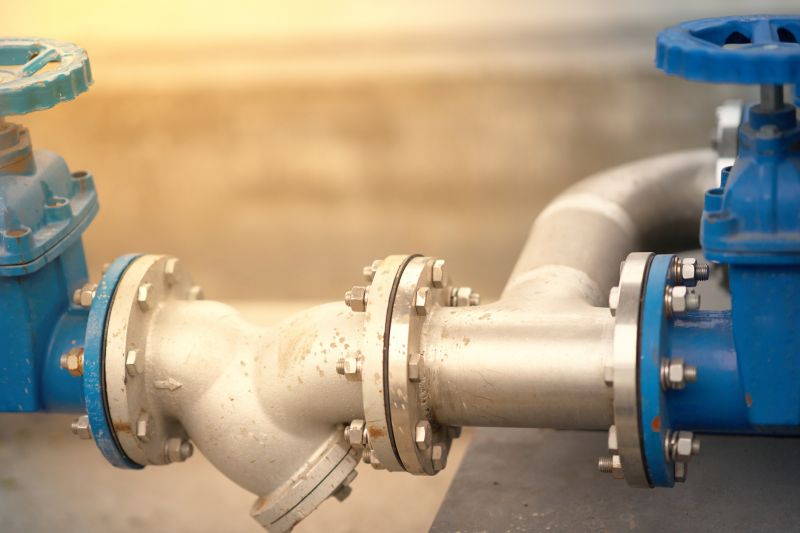
When choosing a contractor for backflow testing services, it’s important to consider their experience with similar projects. A seasoned service provider will have a history of handling backflow prevention devices comparable to those in your home, which can help ensure the work is performed correctly and efficiently. Asking about the types of systems they’ve worked on and how many projects they've completed can provide insight into their familiarity and comfort level with your specific needs.
Clear written expectations are essential for a smooth process. When evaluating local contractors, look for providers who can offer detailed descriptions of their testing procedures, what the service entails, and any follow-up steps. Having this information in writing helps prevent misunderstandings and ensures that both parties are aligned on the scope of work. It’s also wise to request references or reviews from previous clients to verify the quality and reliability of the service provider’s work.
Effective communication is a key factor in selecting a dependable backflow testing service. A reputable local contractor should be responsive and willing to answer questions, providing explanations that are easy to understand. Good communication helps build trust and keeps the project on track. Remember, this site introduces homeowners to local options and does not perform the work itself, so it’s important to connect with service providers who demonstrate professionalism and clarity in their interactions.
Property owners use Backflow Testing Service services for practical projects around their homes and businesses. This guide focuses on everyday jobs and straightforward project options.
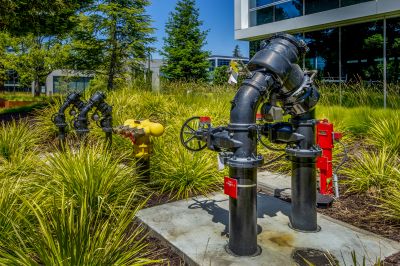
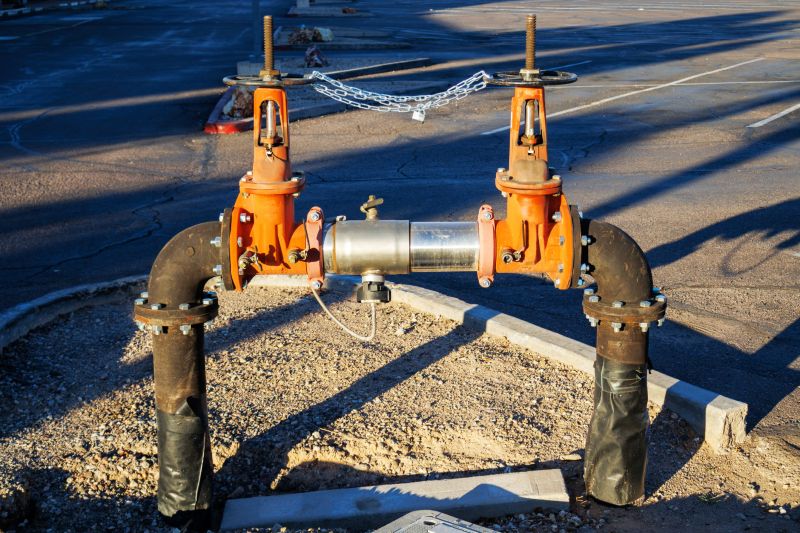
Backflow testing services are often needed by property owners in the area to ensure the safety and integrity of their water supply. Common situations include routine inspections required by local regulations, or when there’s been a change in plumbing systems that might pose a risk of contaminated water reversing flow. Local contractors can provide these tests to confirm that backflow prevention devices are functioning properly, helping property owners maintain compliance and protect their drinking water.
Property owners may also seek backflow testing after experiencing plumbing issues or noticing unusual water behavior, such as discoloration or a foul odor. Regular testing can help identify potential problems early, preventing costly repairs or water contamination. Trusted local service providers are equipped to handle these inspections efficiently, offering peace of mind that the water system remains safe and compliant with local standards.
What is backflow testing? Backflow testing checks the backflow prevention devices to ensure they are functioning correctly and preventing contaminated water from entering the clean water supply.
Why is backflow testing important? Regular backflow testing helps maintain water safety by verifying that backflow prevention devices are working properly, reducing the risk of water contamination.
How do local contractors perform backflow testing? Certified service providers inspect and test backflow prevention devices according to safety standards to ensure they operate effectively.
What types of properties need backflow testing? Backflow testing is typically required for residential, commercial, and industrial properties with irrigation systems or other water connections that could pose a contamination risk.
How often should backflow testing be conducted? Most local service providers recommend annual testing to ensure backflow prevention devices remain in proper working condition.
Ensure water safety compliance - property owners can schedule backflow testing to verify that their irrigation and plumbing systems meet safety standards.
Prevent contamination risks - regular testing helps identify potential backflow issues that could introduce pollutants into drinking water supplies.
Maintain system functionality - property managers can use backflow testing services to confirm their systems are operating correctly and avoid costly repairs.
Protect public health - local contractors can assist in testing backflow preventers to ensure community water sources remain safe and uncontaminated.
If you are thinking about Backflow Testing Service for a property, this guide is meant to help you understand the work, the typical project types, and how different options might fit your plans.
When you are ready, you can use the quote form on this page to share a few details about your project. From there, local pros can review the basics and respond with options that match what you have in mind.